Free delivery
Free delivery with purchases over $89

100-day return
Returns are accepted within 100 days

Shipping
Your order will be delivered within 3-5 business days after dispatch
Free delivery
Free delivery with purchases over $89
100-day return
Returns are accepted within 100 days
Shipping
Your order will be delivered within 3-5 business days after dispatch
Care for your merino wool with consideration, and extend its life.

Hand-knits are lively and forgiving in structure, which is why they call for a little extra thought in your care and washing routines. The good news is that the best care for wool knits is actually to do as little as possible. Here is our best advice on exactly that.


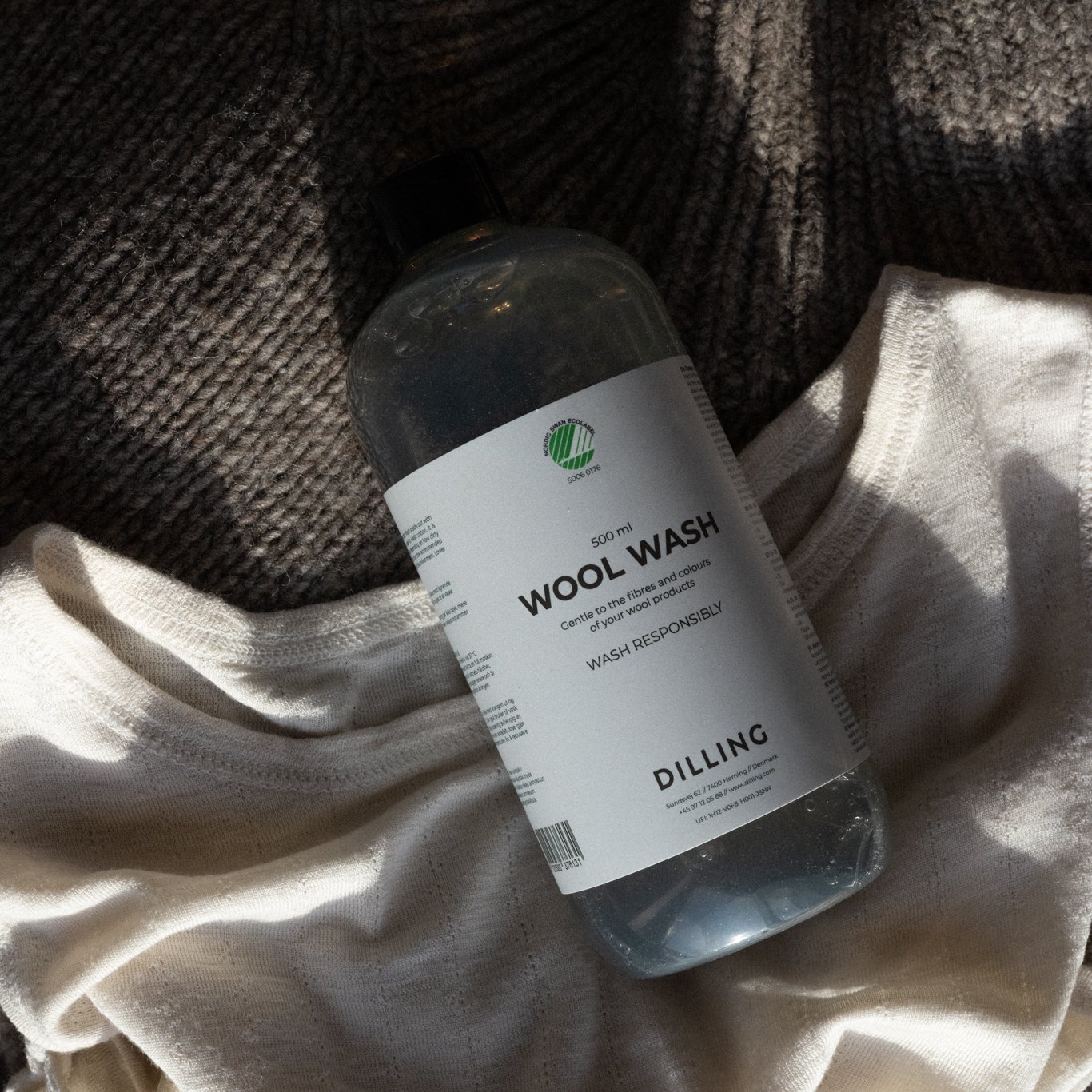
Merino wool has properties from nature that mean it needs less care than you might think. When moisture is drawn away from the skin and bound in the structure of the wool fiber, the bacteria that make your clothes smell sour find it harder to get in. Many people therefore find that it does not smell the way synthetic clothing tends to. Often it is enough to let it hang overnight to remove unwanted odors from sweat or ordinary use.
On extra cold days with frost or snow, you can lay or hang your knits outside for a couple of hours. The dry, cold air is effective at freshening up woolen clothes without exposing them to water. Bring the knits in before they become damp. Frost also works against moths – so if you suspect moths, you can place your knits outside or in the freezer for 24 hours.
When it is time to wash your woolen clothes, it should be done with care. Hand-knits are more forgiving in structure than what you buy ready-made, and therefore have a greater tendency to lose their shape, felt or shrink. That is why it is important to watch the temperature, handle the knits gently and always use wool wash.
You will find all the details about washing in our care guide. If you are washing your hand-knits for the first time, you can read the article “How to wash and block your hand-knits”.
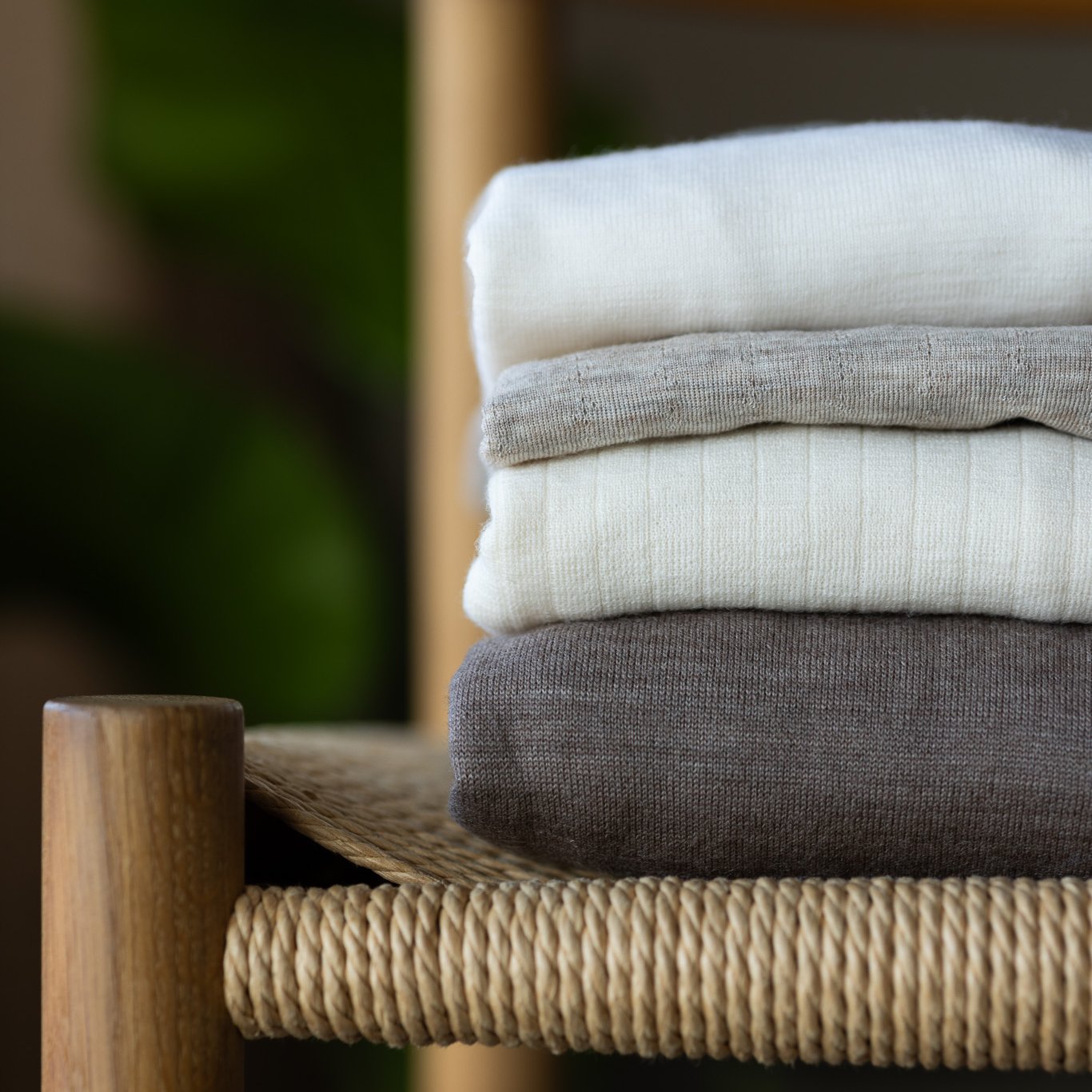
“If you like, place cedar blocks or a bag of lavender flowers in your closet with your knits. They smell lovely and act as a natural moth deterrent.”

Protect knits against moths
Wool is a natural material, and therefore a favorite of moths. It is first and foremost a matter of keeping your woolens clean and dry when you put them away, so that moths are not attracted to them. The same goes for closets and drawers. If you are storing your woolens for a long time, it is a good idea to pack them in airtight bags or boxes to avoid moth damage.
If the damage is already done, the best things you can do are to:
Remove small fuzzballs and loose fibers
Over time, hand-knits will show signs of wear, and that is entirely natural for wool – it is what we call pilling.
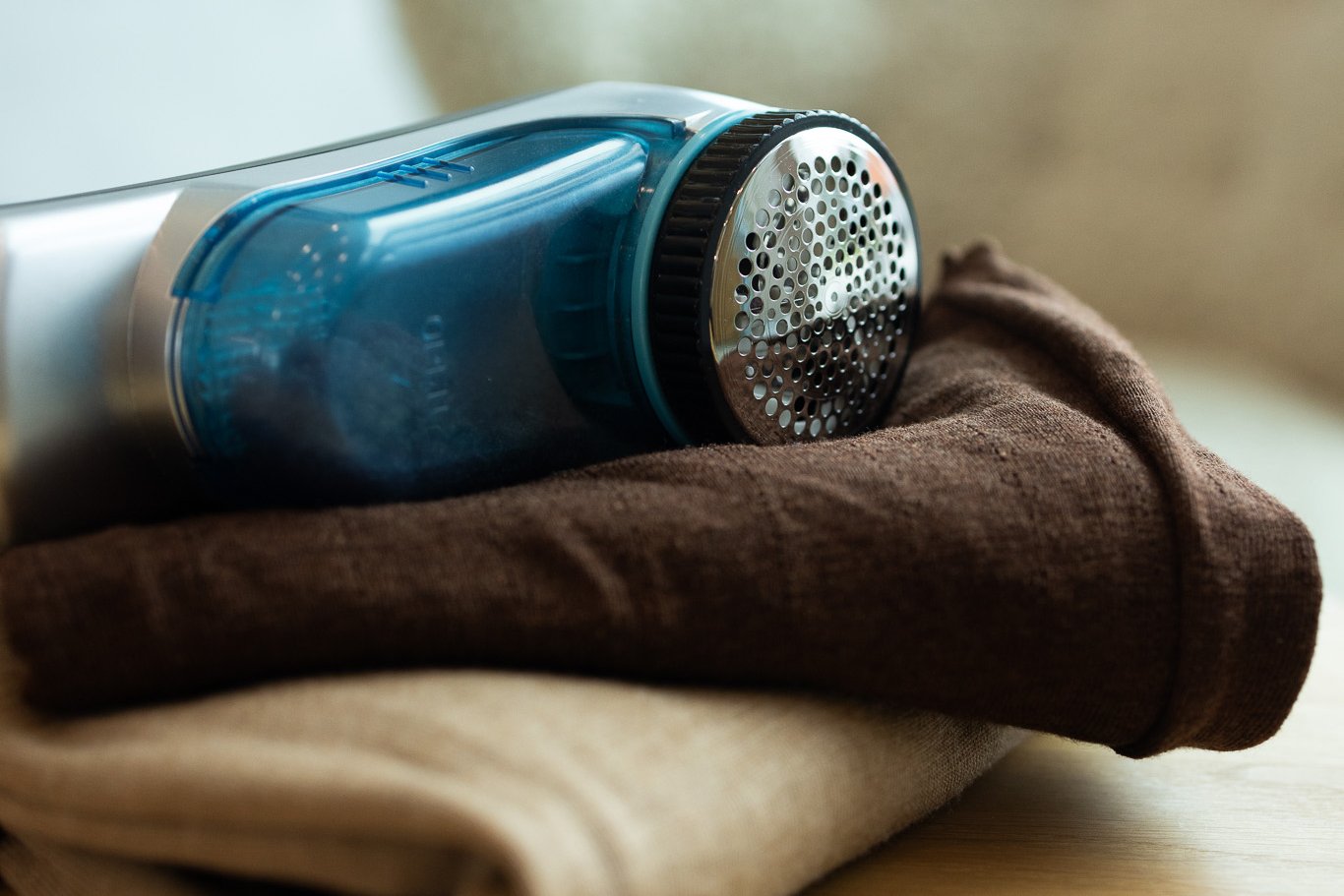
Pilling appears as small fuzzballs of excess wool on the surface of the knit. These pills form when fibers come loose with movement and friction. It is a natural process for untreated organic merino wool, and the pills and lint can be removed gently with an electric lint remover, a wool comb or a brush.
Explore more